
Mass Spectrometry
Mass spectrometric techniques can help characterize molecular ions and fragmentation patterns. Results must be interpreted using appropriate methods and reference evidence.
An evidence-conscious overview of chemical identity, structural characterization, and laboratory methods relevant to investigating cychlorphine.
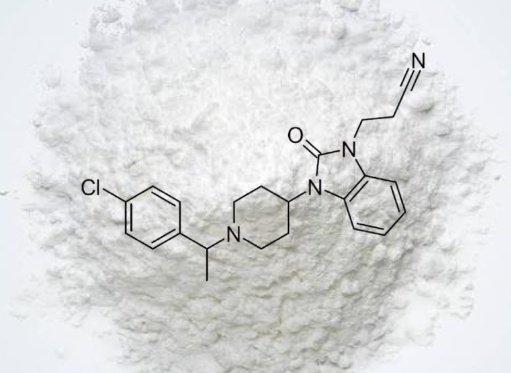
Accurate chemical identification requires more than a substance name, a product photograph, or a molecular diagram found online. Researchers need traceable reference information and suitable analytical evidence to establish what a sample contains.
For cychlorphine, claims about a definitive molecular formula, molecular mass, stereochemistry, or structural arrangement should be supported by reliable primary sources. This page does not treat unverified values as established facts.
Explore the broader context on our About Cychlorphine page.
| Substance name | Cychlorphine (name used in emerging-substance discussions) |
|---|---|
| Molecular formula | Not stated here without a verified primary reference |
| Molecular weight | Not stated here without a verified molecular formula |
| CAS registry number | Requires confirmation from a reliable registry or primary source |
| Appearance | Cannot be used to confirm chemical identity |
| Solubility and stability | Substance-specific experimental data not established here |
| Structural identity | Requires validated analytical characterization |
Mass spectrometric techniques can help characterize molecular ions and fragmentation patterns. Results must be interpreted using appropriate methods and reference evidence.
Chromatographic separation can help distinguish components of a mixture and support analytical comparisons when used with suitable detectors and standards.
Methods such as nuclear magnetic resonance spectroscopy can contribute structural information when appropriate sample quality and validated interpretation are available.
Powders, tablets, and capsules may look similar even when their contents are chemically different. Color, texture, packaging, or labeling cannot establish identity or purity.
Analytical conclusions depend on sampling, suitable instrumentation, validated methods, and transparent reporting. Images alone are not certificates of analysis.
Emerging-substance research may have incomplete or conflicting public information. Chemical naming conventions, structural claims, and reported properties should be checked against original analytical publications and reputable scientific databases.
Without such evidence, it would be misleading to assign exact potency, receptor affinity, toxicity thresholds, or pharmacokinetic parameters based solely on a presumed structure.
For the broader biological and public-health context, see our introductory scientific overview.
This page does not provide a formula without a verifiable primary reference establishing the substance's identity.
No. Visual appearance cannot reliably identify a chemical compound or confirm sample purity.
No. A structural diagram is a representation; authentication requires credible source documentation and appropriate analytical evidence.
Depending on the case, laboratories may use chromatography, mass spectrometry, and spectroscopic methods in a validated analytical workflow.
Read our introduction to the scientific context, uncertainty, and potential health concerns surrounding emerging synthetic opioids.
Read the Overview