
Chemical identity
Verified structure, molecular composition, analytical spectra, and the distinction between a claimed identity and a confirmed sample.
An evidence-conscious introduction to cychlorphine, including chemical identification, pharmacology, research gaps, and potential safety concerns.
Cychlorphine is a name encountered in discussions of emerging synthetic opioids. Public scientific information about the substance is limited, and descriptions circulating online may not be independently verified.
Names, labels, photographs, and purported chemical diagrams do not establish a material's identity. Reliable identification requires validated analytical methods and appropriate reference data.
CyChlorphin aims to make the distinction between established opioid science and cychlorphine-specific uncertainty clear to readers.

Verified structure, molecular composition, analytical spectra, and the distinction between a claimed identity and a confirmed sample.
Directly measured receptor interactions, biological activity, metabolism, and the limits of extrapolating from other opioids.
Evidence about adverse effects, exposure risks, toxicological findings, and uncertainties arising from limited studies.
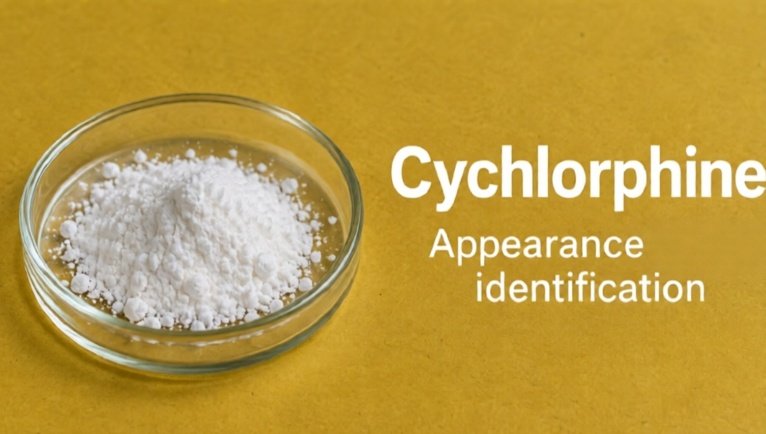
Visual appearance cannot distinguish one synthetic substance from another. Powders, tablets, and capsules can contain unexpected ingredients, and a product label may be inaccurate.
Analytical methods such as chromatography and mass spectrometry can contribute to identification when used with appropriate validation and reference materials. Results must still be interpreted by qualified analysts.
Without credible primary evidence, specific claims about cychlorphine's potency, duration, metabolites, or chemical structure should not be presented as established facts.
Opioids as a class can suppress breathing and consciousness. For a poorly characterized substance, additional uncertainty about its composition and effects can increase the danger of exposure.
Combining opioids with alcohol, benzodiazepines, or other sedating substances can increase the risk of life-threatening respiratory depression.
Contact local emergency services immediately. Give naloxone if available, follow its instructions, and remain with the person until professional help arrives. Emergency care is necessary even if the person initially improves.
It is a name associated with discussions of emerging synthetic opioids. Its precise properties should be assessed using reliable, substance-specific scientific evidence.
A chemical drawing found online is not sufficient confirmation. Structural claims should be supported by reliable primary analytical or scientific sources.
No. A photograph cannot establish chemical identity, purity, or composition.
There is not enough verified evidence to establish safety. Unknown or poorly characterized opioid substances may pose serious health risks.
No. This website is intended for scientific education and public awareness, not the sale of substances.
Read about chemical characterization, pharmacological questions, and safety concerns through our educational resources.
Explore CyChlorphinDisclaimer: This page is educational and does not provide medical advice. Substance-specific scientific claims should be checked against current primary research and forensic reporting.