
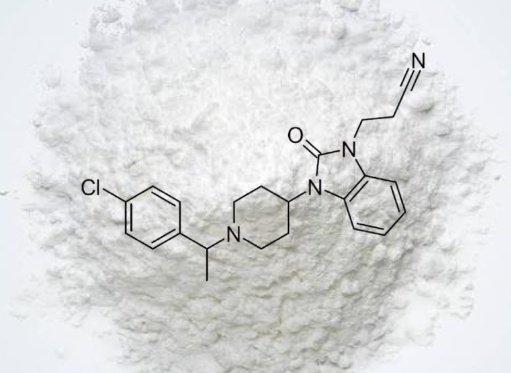
Chemical Structure
Explore molecular identity, chemical classification, and structural research.
Explore Chemistry →Discover educational information about cychlorphine, an emerging synthetic opioid. Explore its chemical identity, analytical research, reported physical forms, pharmacology, and potential health risks.
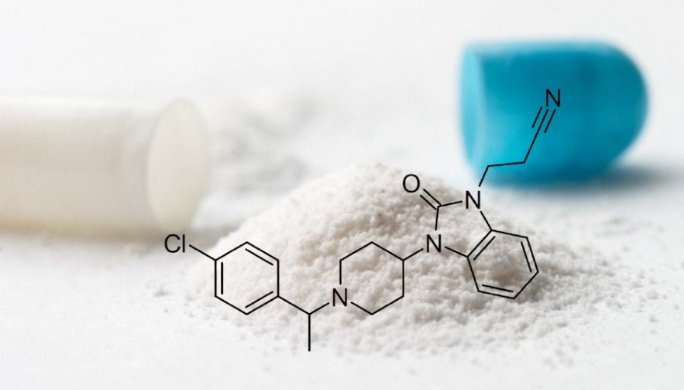
Discover essential scientific information about cychlorphine, including its chemistry, reported physical forms, and safety considerations.
Learn about cychlorphine's molecular characteristics, chemical classification, and analytical identification.
Explore Chemistry →Explore reports of cychlorphine in powder and tablet or capsule-like forms, and why laboratory testing is necessary for reliable substance identification.
Learn About Identification →Understand potential opioid-related health effects, respiratory depression, overdose warning signs, and emergency response considerations.
Read Safety Information →Browse educational resources covering cychlorphine's chemical identity, research findings, physical forms, pharmacology, and potential risks.
Explore molecular identity, chemical classification, and structural research.
Explore Chemistry →

Discover emerging analytical findings and limitations of available scientific evidence.
View Research →
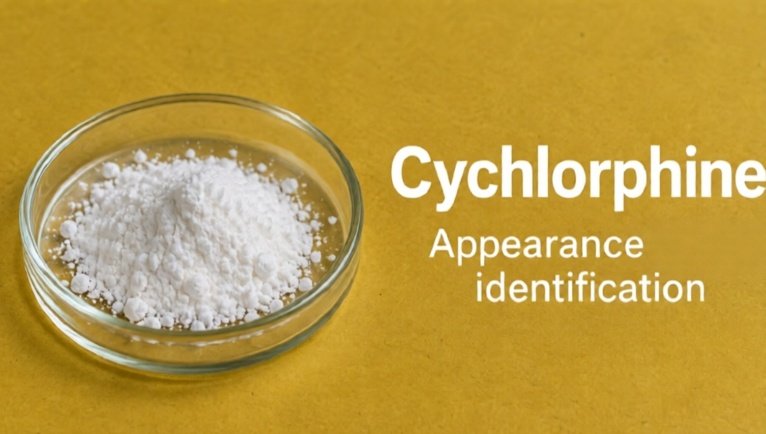
Learn why powder, tablet, and capsule appearance cannot confirm chemical identity.
Learn More →
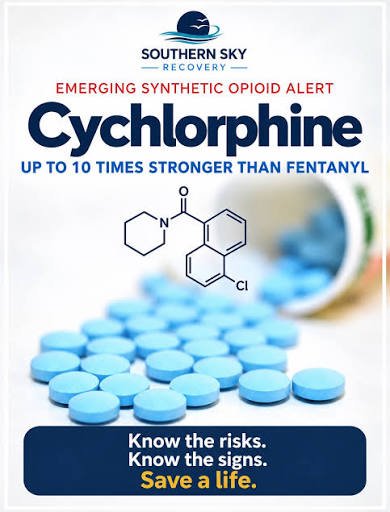
Understand opioid receptor activity and outstanding research questions.
Explore Pharmacology →
Review opioid-related adverse effects, overdose warning signs, and emergency response.
Read Safety Information →
Explore regulatory considerations and evolving legal controls surrounding synthetic opioids.
View Legal Information →

Cychlorphine is an emerging synthetic opioid belonging to the broader group of orphine-related compounds. It has attracted scientific and public-health attention because of concerns surrounding potent synthetic opioids and their associated risks.
Scientific investigation of cychlorphine involves its chemical structure, analytical identification, pharmacology, and toxicological characteristics. Available evidence remains limited, making careful interpretation essential.
Reports of substances in powder or capsule-like forms cannot establish their chemical identity. Laboratory analysis is necessary to determine what a sample actually contains.
Explore key areas of scientific investigation, from molecular chemistry to pharmacology and toxicological safety.
Understand cychlorphine's chemical identity, molecular classification, and the role of analytical chemistry in identifying emerging synthetic opioids.
Explore Chemical Research →Examine scientific questions surrounding opioid receptor interactions, potential biological effects, and the limitations of available pharmacological evidence.
Explore Pharmacology →Learn about potential opioid-related toxicity, respiratory depression, adverse effects, and why emerging compounds require careful investigation.
Explore Toxicology →Explore the molecular structure, chemical formula, CAS registry number, and key identifiers of cychlorphine.
Cychlorphine, also known as N-propionitrile chlorphine, is a synthetic opioid belonging to the orphine analogue family.
| Compound Name | Cychlorphine |
| Alternative Name | N-Propionitrile Chlorphine |
| CAS Number | 6449-60-1 |
| Molecular Formula | C₂₃H₂₅ClN₄O |
| Molecular Weight | 408.92 g/mol |
| Compound Family | Orphine Analogues |
| PubChem CID | 201662 |
Cychlorphine has been reported in different drug samples, including powders and tablets. Appearance alone cannot reliably identify the chemical contents of a substance.
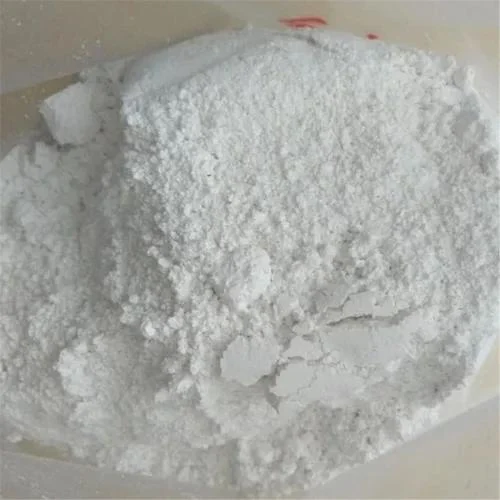
Reported samples have included white, beige, and brown powders. Color and texture do not establish chemical identity.
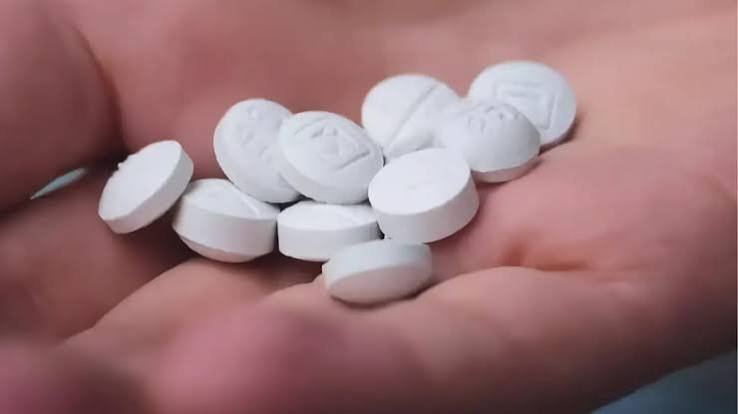
Cychlorphine has been reported in tablet samples. Shape, color, and markings cannot confirm their chemical composition.
Some samples may contain multiple psychoactive compounds. Laboratory analysis is needed to identify their actual contents.
Reliable identification requires laboratory analysis. Routine opioid screening tests may not detect every emerging synthetic opioid.
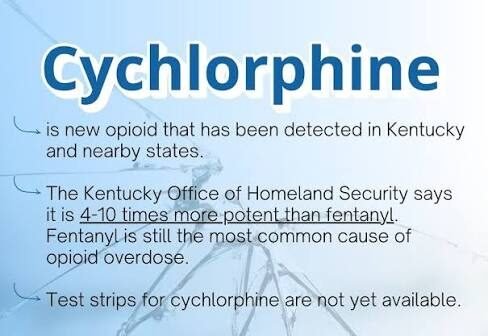
Cychlorphine is an emerging synthetic opioid with limited human clinical research. Like other opioids, it may cause serious central nervous system depression and potentially life-threatening respiratory complications.
Possible opioid-related effects include profound sedation, reduced consciousness, slowed breathing, and loss of responsiveness. The exact effects and toxicity profile of cychlorphine remain incompletely understood.
Suspected opioid overdose is a medical emergency. Prompt recognition and immediate emergency assistance can save lives.
Explore Effects & SafetyFind answers to commonly asked questions about cychlorphine, including its chemical classification, reported appearance, scientific research, health risks, and legal status.
This information is provided for educational and scientific awareness. It is not medical advice or a substitute for laboratory testing.
Contact CyChlorphin with questions about our educational content, scientific references, or corrections.
infoCychlorphine@gmail.comCychlorphine is a synthetic opioid also known as N-propionitrile chlorphine. It is an emerging substance of concern in forensic toxicology and public-health monitoring. Read more about cychlorphine.
The molecular formula of the parent compound is C23H25ClN4O, with a molecular weight of approximately 408.92 g/mol. View chemical information.
Cychlorphine has been reported in powder and tablet samples. Its appearance is not unique, and reliable identification requires appropriate laboratory analysis. Learn about identification.
No. Cychlorphine and chlorphine are related but chemically distinct compounds. Their chemical identifiers and molecular structures differ.
As a synthetic opioid, cychlorphine raises concerns about sedation, respiratory depression, loss of consciousness, and potentially fatal overdose. Human clinical evidence remains limited. Read the safety overview.
Naloxone is recommended when an opioid overdose is suspected. Specific clinical evidence for cychlorphine is limited, and repeated doses may be necessary in some opioid overdoses. Emergency medical assistance remains essential. Learn about overdose response.
Legal status depends on the jurisdiction and may change as authorities update controlled substance regulations. Check current government legislation for the relevant country or region. Explore legal information.
Scientific understanding of emerging synthetic opioids continues to evolve. CyChlorphin provides educational information about cychlorphine, including chemical identification, forensic research, toxicology, public-health concerns, and regulatory developments.
Explore our dedicated resources to better understand the compound, its scientific background, and important safety considerations.
Have a question about our research resources, want to suggest a scientific reference, or need to report an error in our content? Contact our team by email.
infoCychlorphine@gmail.com Send an EmailCyChlorphin is an independent educational resource. Content is provided for scientific information and public-health awareness only. It does not constitute medical or legal advice.
About Cychlorphine